3. Real-Life Use Cases: Entrepreneurs Training Their AI Like a Pro
I’ve talked a lot about theory, but now let’s make it real.
Because when it comes to AI tools that drive results, the most inspiring stories come from everyday entrepreneurs—people just like you and me—who’ve trained their tools to think, write, and create with them, not just for them.
These aren’t tech wizards or Silicon Valley insiders. These are solo founders, course creators, affiliate marketers, coaches, and creatives who simply figured out how to create a feedback loop that works. And they’re crushing it quietly.
Let me walk you through a few use cases step by step so you can borrow what works and apply it directly to your own setup.
Use Case #1: Building a Personal Copy Assistant That Sells
Entrepreneur: Maya, a wellness coach
Goal: Write weekly emails that convert free subscribers into paid clients
Tool: ChatGPT + Google Docs + Feedback Tracker
Step-by-Step:
1. Start with a Base Prompt:
Maya began with:
“Write a weekly email about overcoming burnout, in a conversational tone, ending with a CTA to book a 15-min clarity call.”
2. Get the First Draft:
ChatGPT returned something stiff:
“Burnout affects many professionals today…”
Maya knew her audience needed warmth and honesty.
3. Feedback Provided:
She replied:
“Make it sound like I’m texting a friend. Start with a relatable story. Shorten the paragraphs.”
4. Refined Prompt Saved:
She documented this in her feedback tracker (a simple Google Sheet):
“Tone = voice note to a friend. Lead with a real moment. Keep it under 300 words.”
5. Repeat the Loop:
Within three weeks, her emails felt like Maya. Open rates jumped 27%. She added 4 new clients—without spending a dollar on ads.
Use Case #2: Creating SEO Blog Content That Doesn’t Feel Like AI
Entrepreneur: David, affiliate marketer
Goal: Rank for niche keywords while sounding human
Tool: Jasper + Surfer SEO + Notion for prompt tuning
Step-by-Step:
1. Topic Prompted:
“Write an SEO article on ‘best time-saving tools for busy entrepreneurs’—tone: engaging, real-life experiences.”
2. Initial Feedback:
David realized the first article felt like a Wikipedia entry.
3. Refined Input:
He added specific instructions:
“Start with a personal struggle. Mention how I used to spend 5+ hours doing manual tasks. Introduce the tools as part of the story—not as a list.”
4. Tuning Over Time:
After 4–5 articles, he had a template prompt that nailed it every time.
5. Results:
One blog post went viral in a subreddit. Affiliate conversions soared. He now uses AI for 90% of his content—and his readers can’t even tell.
Use Case #3: Product Descriptions That Actually Convert
Entrepreneur: Anita, eCommerce store owner
Goal: Write persuasive product descriptions for her handmade jewelry line
Tool: Claude + ChatGPT + Excel for prompt version testing
Step-by-Step:
1. Generic AI Output:
“This necklace is elegant and timeless.”
Meh. That won’t sell.
2. Feedback Given:
Anita told the AI:
“Describe this necklace like you’re telling a friend why they NEED to wear it to their next date night. Use sensory language.”
3. Test Variations:
She ran 3 versions through A/B testing in Shopify. The version with emotional storytelling had 32% higher add-to-cart rate.
4. She Documented What Worked:
The prompt template:
“Emotion-first, scenario-based, sensory detail, no more than 80 words.”
5. Built a Prompt Library:
Now, every new product gets its own refined description in minutes—one that feels like it came from a top-dollar copywriter.
Common Thread in All 3 Cases?
None of these wins came from a single great prompt.
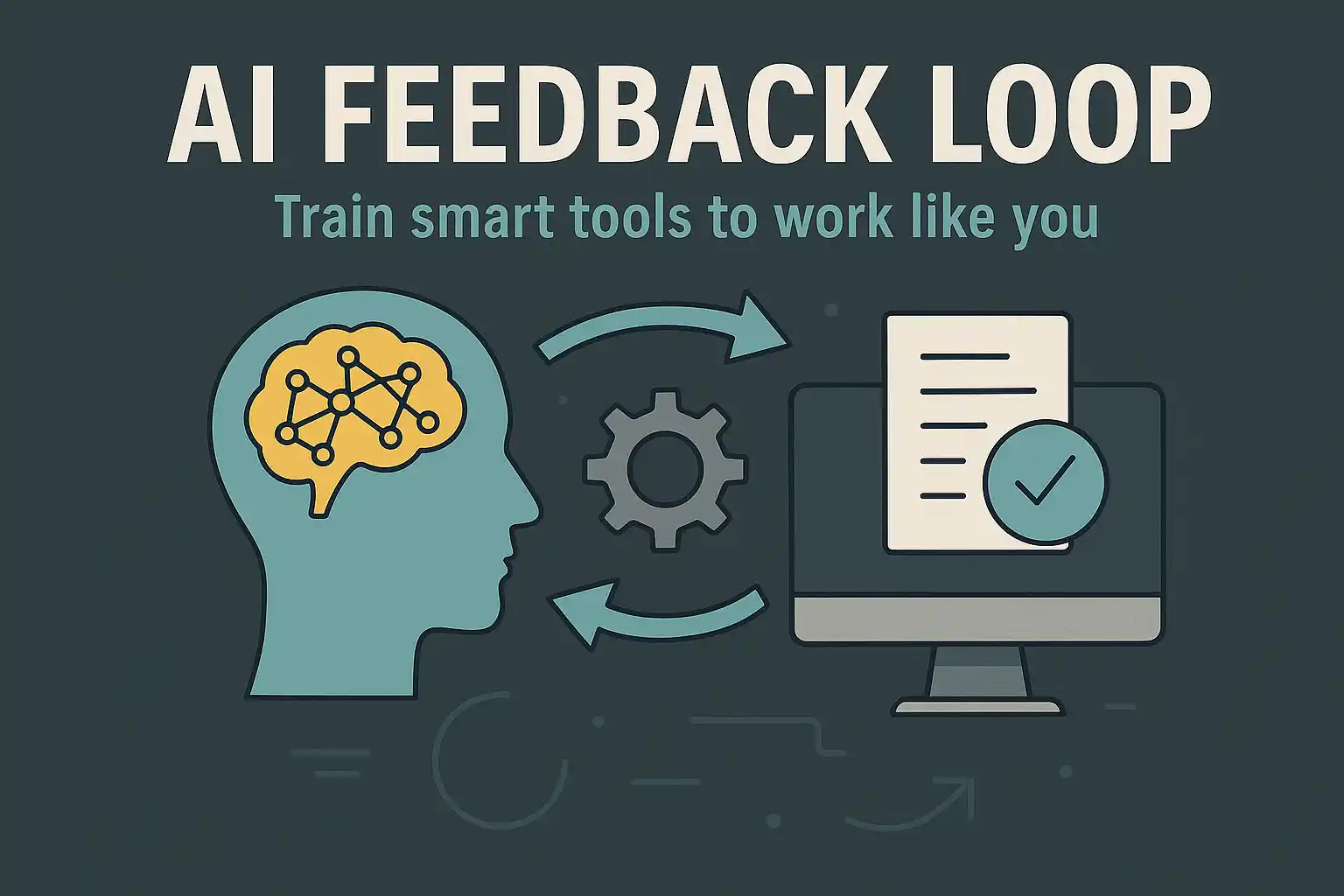
They came from a committed loop: trial → feedback → revision → refinement.
They trained their AI tools like they would train a team member—gently, consistently, with clear expectations.
And that is the secret sauce. That’s why AI tools that drive results aren’t reserved for the tech elite. They’re available to anyone willing to guide, test, and improve.